Vernacular Architecture
Key Characteristics of Vernacular Architecture
With the rising frequency of earthquakes, landslides, and changing climate patterns in the Himalayan region, vernacular architecture holds greater importance today than ever before. Evolved over centuries through careful observation and lived experience, these traditional building systems reflect a deep understanding of the mountain environment.
Communities learned to interpret their surroundings—climate, terrain, and available resources—and shaped buildings that are not only durable but also comfortable and well-suited to their context.
In contrast to many modern construction methods that rely heavily on industrial materials and energy-intensive processes, vernacular architecture makes use of local resources and simple, passive design strategies. Through thoughtful planning, appropriate material use, and practical construction techniques, these buildings exist in harmony with nature. This results in an approach to architecture that is sustainable, climate-sensitive, and closely connected to everyday life in mountain communities.
Keys
Climate-Responsive Design
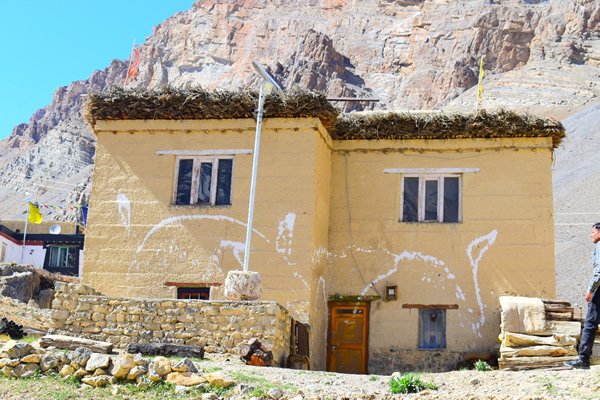
Traditional Himalayan buildings are designed to handle local weather conditions such as cold winters, heavy rain, snowfall, and varying sunlight. Thick walls made of stone or earth help keep interiors warm, while smaller openings reduce heat loss. Sloping roofs allow snow and rain to slide off easily, protecting the structure. Natural materials like mud plaster and timber help maintain comfortable indoor temperatures throughout the year without the need for artificial heating or cooling.
Use of Locally Available Materials
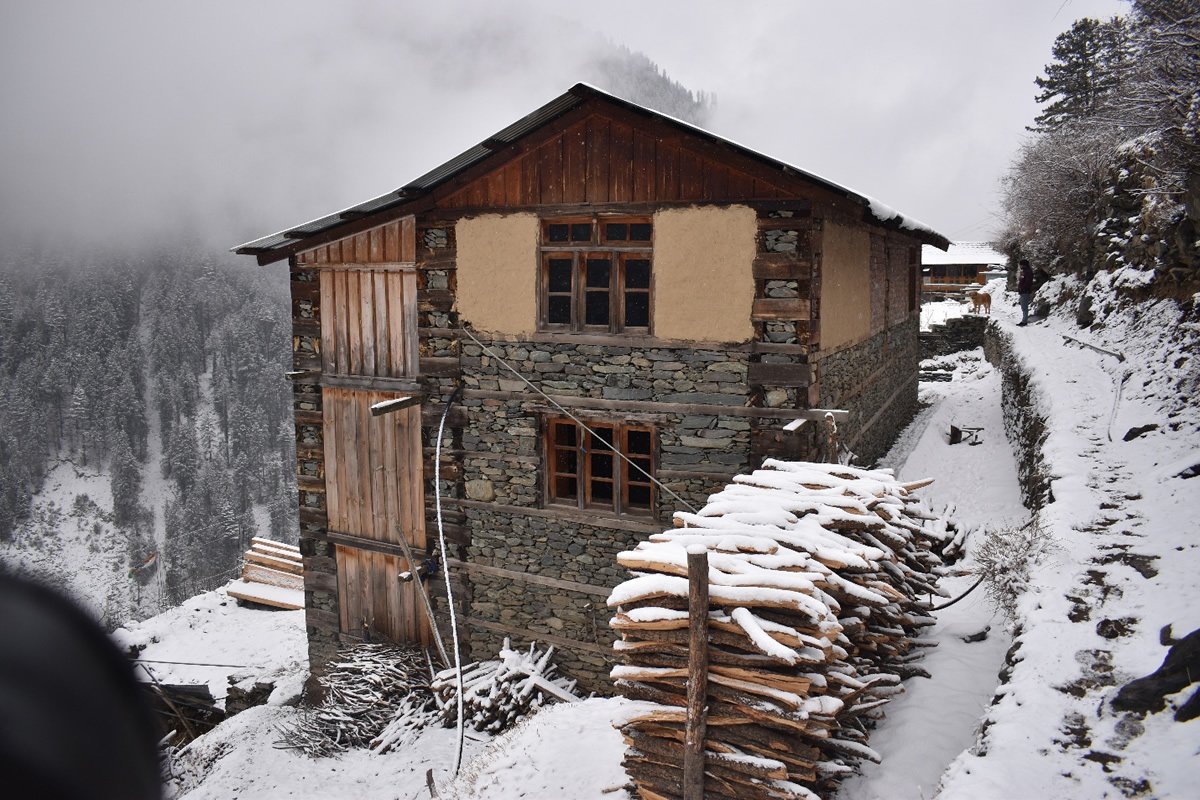
Homes in the Himalayas are constructed using materials found nearby, such as stone, timber, earth, mud, lime, and bamboo. These materials are chosen not just because they are easily available, but also because they perform well in the local climate. Using local resources reduces transportation, lowers costs, and helps buildings blend naturally with the surroundings. It also makes repairs simpler, as the same materials can be sourced from the immediate environment.
Community-Centered Craftsmanship
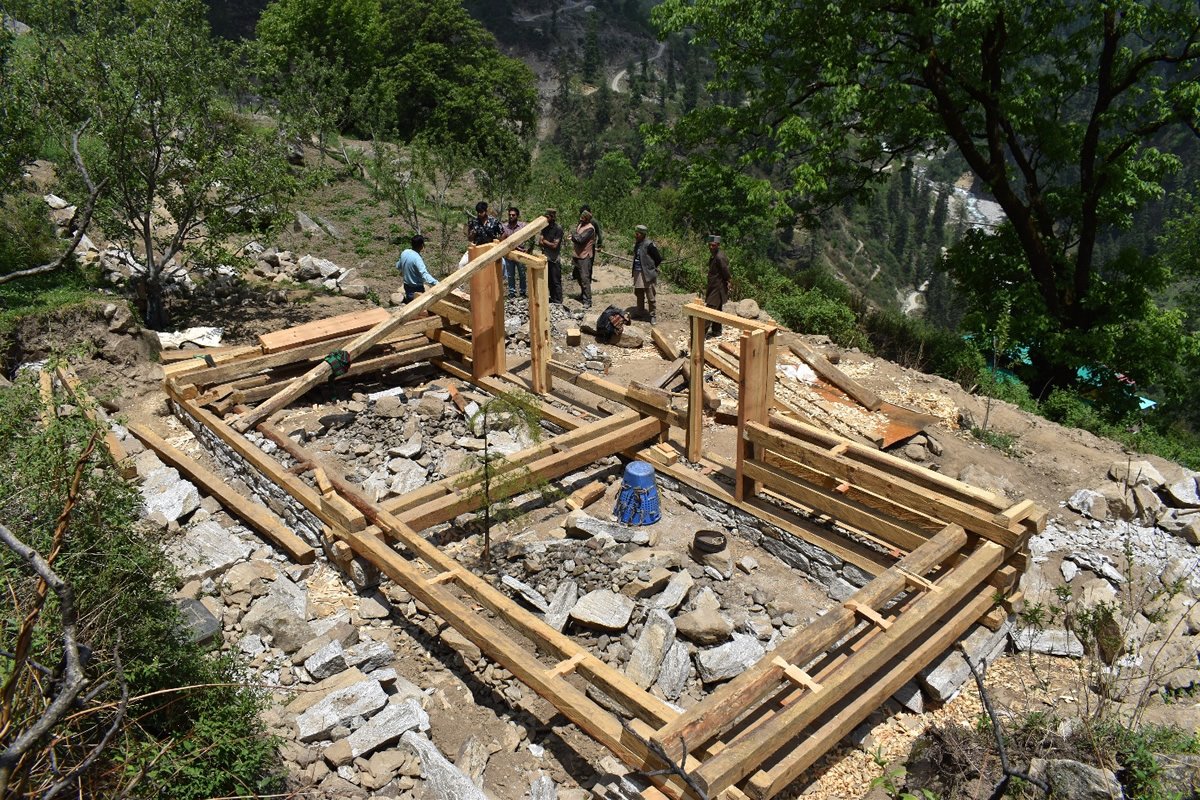
Vernacular architecture is built by local artisans whose skills have been passed down through generations. Their knowledge comes from hands-on experience and a deep familiarity with materials and construction methods. Buildings are created with close attention to local needs, traditions, and environmental conditions. This process not only produces strong and functional structures but also keeps traditional skills alive and strengthens the cultural identity of the community.
Earthquake-Resilient Construction
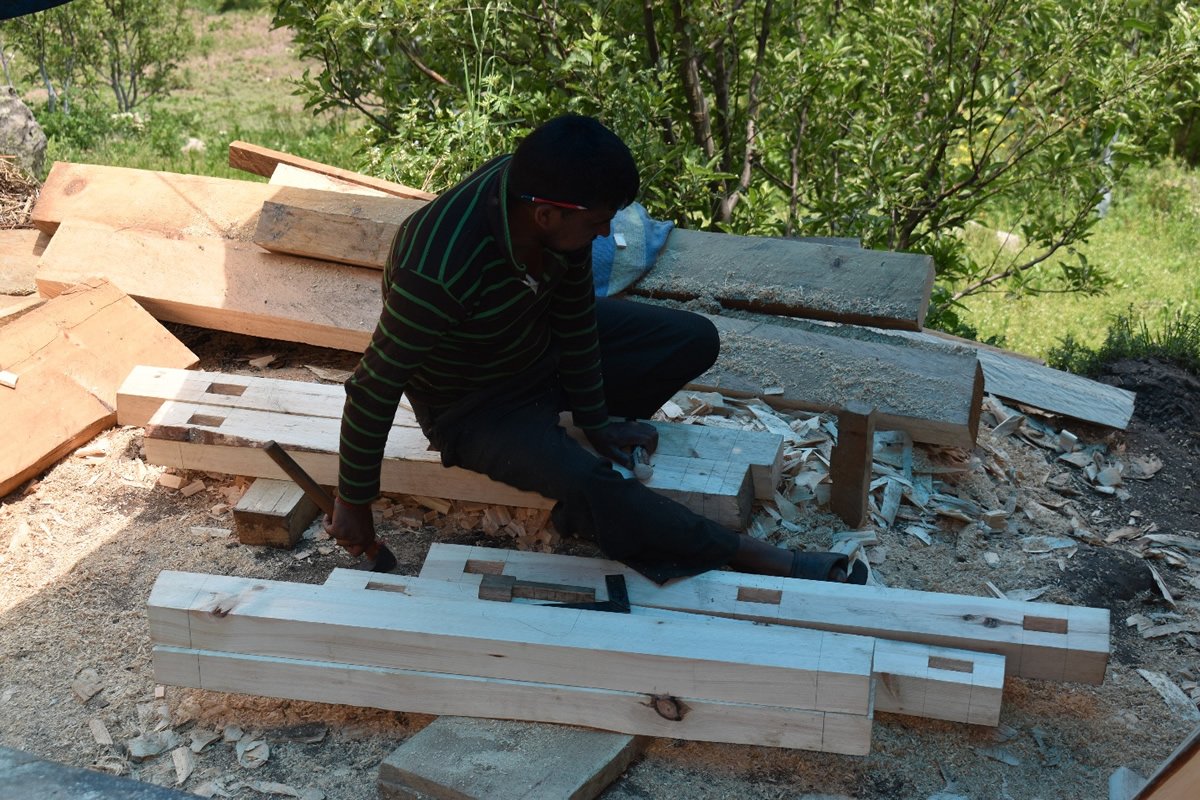
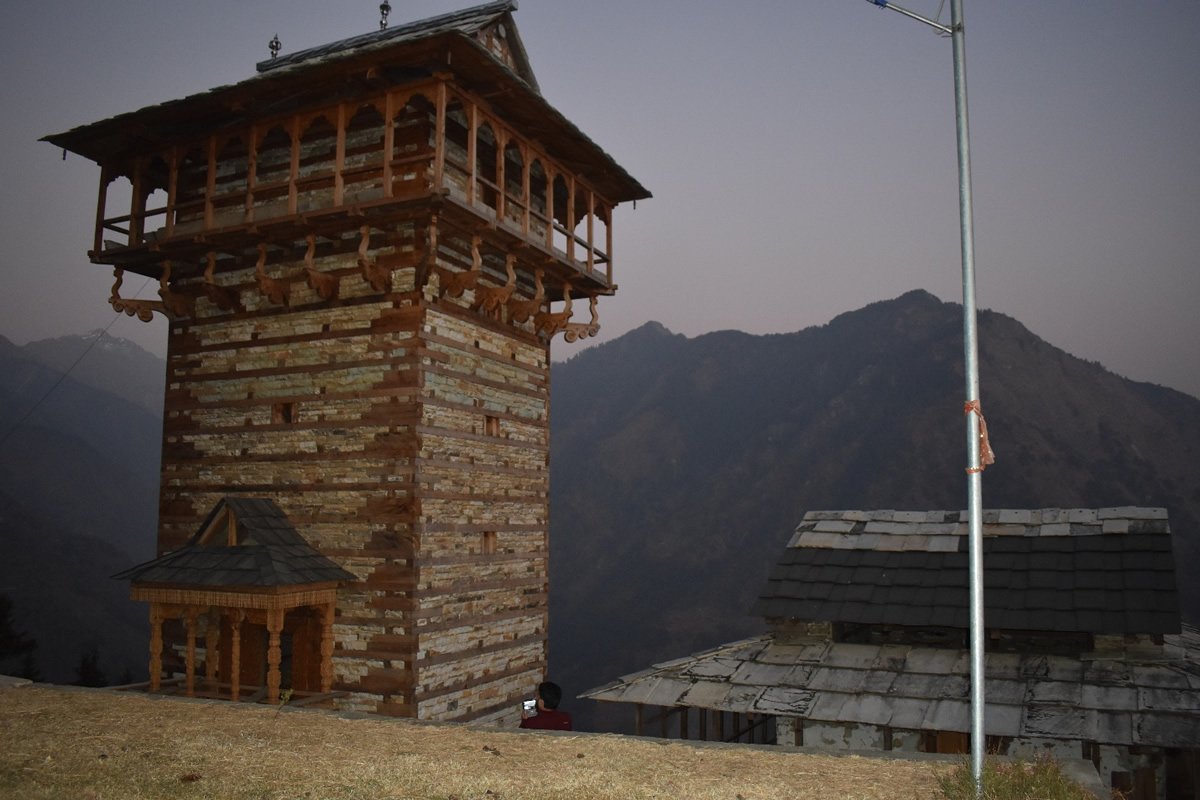
The Himalayan region is prone to earthquakes, and traditional building techniques have developed to address this challenge. Features such as timber bands, diagonal supports, flexible connections, and lighter upper floors help structures absorb and reduce the impact of seismic forces. Systems that combine timber with stone or earth provide both strength and flexibility, allowing buildings to move slightly during an earthquake instead of collapsing.
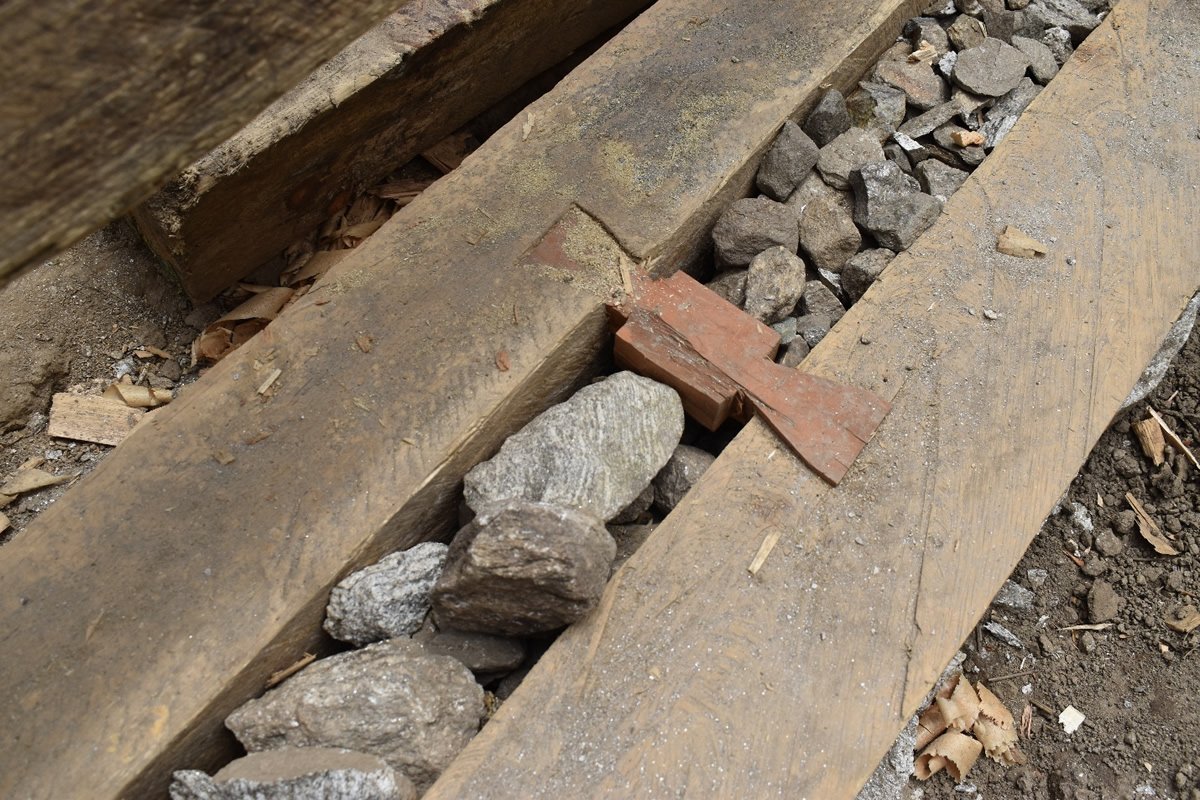
Energy Efficiency and Thermal Comfort
Vernacular homes are naturally energy-efficient due to their design. Thick walls, insulated floors, and compact layouts help maintain stable indoor temperatures. Materials like mud plaster allow walls to breathe, helping control humidity and improve comfort. These features keep homes warm in winter and cool in summer, reducing the need for external energy sources.
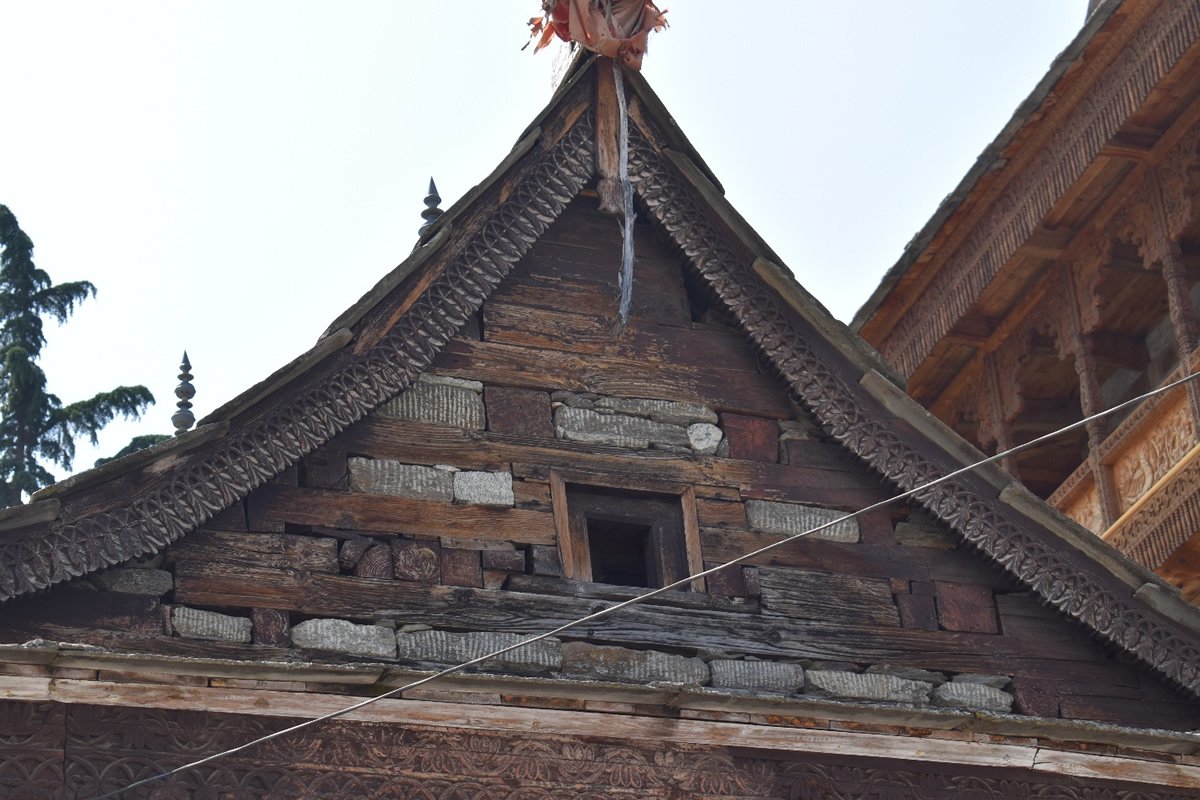
Long Lifespan and Easy Maintenance
One of the key strengths of vernacular architecture is its durability. Many traditional houses in the Himalayas have lasted for generations, showing the strength of these construction methods. Built with locally available materials like stone and timber, they can withstand harsh weather when properly maintained. Repairs are simple and can be carried out by local communities,
Harmony with the Landscape
One of the most defining features of vernacular architecture in the Himalayas is its close relationship with the natural landscape.
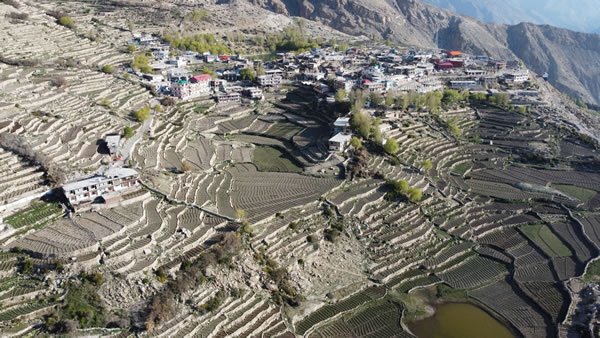
Instead of altering the land to suit construction, traditional builders design their homes to follow the existing terrain. Houses are often built along slopes, terraces, or natural ridges, which reduces the need for heavy excavation and helps protect the delicate mountain environment. The use of locally available materials such as stone, timber, and earth allows these structures to blend seamlessly with their surroundings. Their colors, textures, and overall form reflect the character of the region, making them appear as a natural part of the landscape rather than something imposed on it. Roofs are shaped to handle rain and snow, while the orientation of buildings makes the best use of sunlight, wind, and scenic views.
This way of building not only protects the environment but also improves the safety and stability of settlements. By respecting natural drainage, slope conditions, and existing vegetation, these structures reduce the risk of issues like soil erosion and landslides. Building in this manner shows a deep understanding of how to live in balance with nature.
In a time of rapid development and increasing environmental challenges, this approach offers an important lesson: truly sustainable architecture begins with understanding and respecting the land on which it is built.
1. Following Mountain Slopes
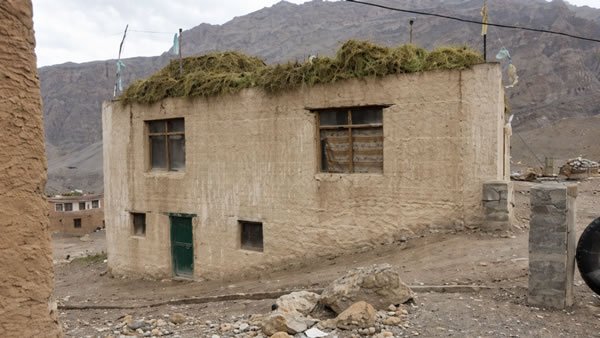
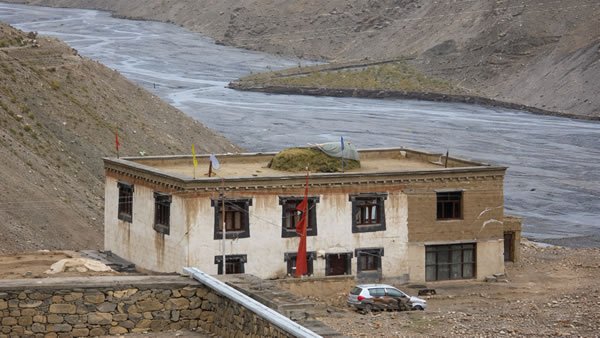
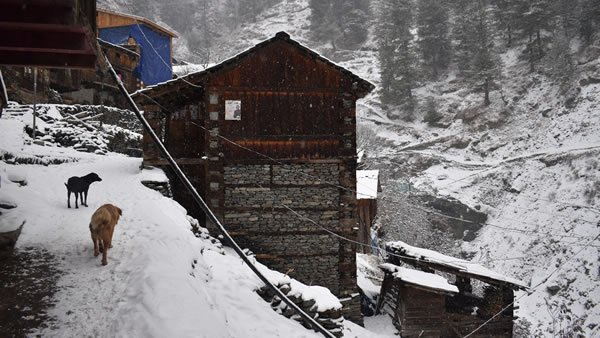
In the Himalayan region, traditional houses are usually built along natural slopes or terraces instead of flattening the land completely. Builders design these homes to follow the natural shape of the terrain, forming stepped settlements that fit comfortably into the mountainside. This approach reduces the need for heavy digging and helps keep the slopes stable.
2. Respecting Natural Drainage
In mountain regions, heavy rainfall and melting snow make water flow an important factor. Traditional settlements are planned in a way that does not block natural drainage paths. Houses are positioned so that water can move freely downhill, helping to prevent erosion, flooding, and damage to structures.
3. Minimizing Land Disturbance
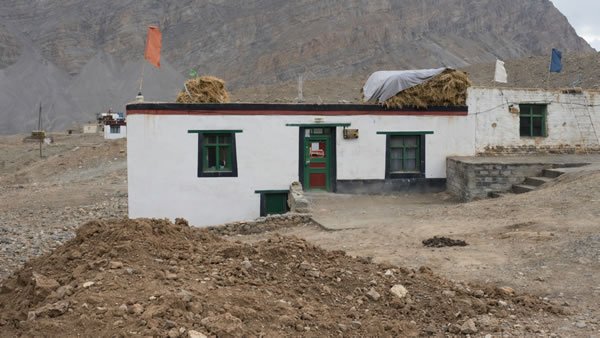
Vernacular construction avoids major changes to the landscape. Instead of cutting into mountains or flattening large areas, builders make only minimal adjustments to the site. This helps protect the fragile mountain environment and reduces the chances of landslides and soil instability.
4. Visually Blending with Nature
Traditional buildings use materials like stone, timber, and earth, which are found locally. These materials match the natural colours and textures of the surroundings, allowing buildings to blend in with the landscape. As a result, settlements appear as a natural part of the mountains rather than something separate from them.